

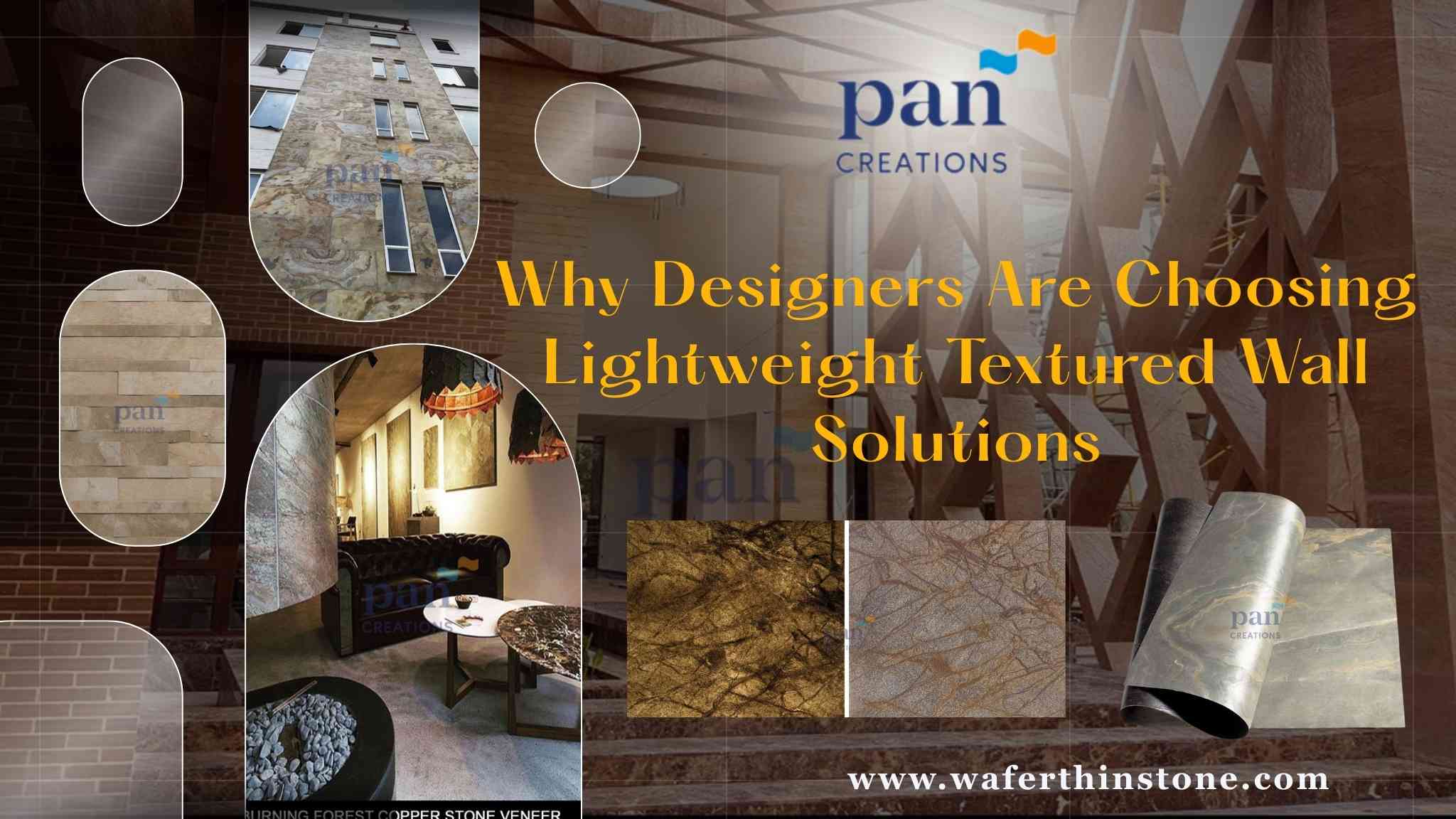
The world of interior design is moving away from flat, sterile surfaces that defined the previous decade. Designers are now looking for materials that add instant character and warmth to a room without the structural headache of traditional masonry. This search for authenticity has led to a surge in popularity for rock veneer. This material captures the rugged beauty of natural stone in a lightweight format that is easy to handle.
Simultaneously, the industrial aesthetic has evolved from a niche trend into a mainstream staple in both commercial and residential projects. To achieve this look without the logistical nightmare of pouring wet cement indoors, architects are increasingly specifying concrete veneers. These thin layers provide the exact visual and tactile finish of cast concrete but can be applied to almost any existing wall structure with minimal preparation.
Innovation has also addressed the limitations of rigid materials in modern architecture, where curves and organic shapes are becoming more common. The introduction of flexible concrete stone veneer has completely changed the game for complex surfaces. This material allows designers to wrap columns and curved walls in stone textures that were previously impossible to clad, proving that modern technology can seamlessly blend with natural aesthetics.
The Shift Towards Textural Depth
The primary driver behind this trend is the human desire for tactile environments. We spend so much time looking at smooth screens that we crave physical texture in our surroundings.
- Emotional Connection: Rough surfaces feel more grounding and permanent than painted drywall.
- Visual Interest: Shadow and light play differently on textured walls, changing the mood of the room throughout the day.
- Acoustic Benefits: Uneven surfaces help break up sound waves, reducing echo in large open spaces.
Designers use these materials to create focal points that anchor a room. A single wall clad in a rich texture can elevate the entire design scheme, making furniture and lighting pop in contrast.
Also, Read: How to Incorporate Mosaic and Metallic Stone Veneers into Your Home Design
Breaking Down the Industrial Look
The industrial look relies heavily on raw materials, but structural concrete is heavy and cold. Using concrete veneers allows for that coveted urban edge in settings where weight is a major concern.
These veneers are perfect for:
- Feature Walls: Creating a bold statement in living rooms or reception areas.
- Fireplace Surrounds: Adding a modern, heat-resistant finish.
- Ceilings: bringing the industrial look upward without the risk of heavy slabs falling.
Because they are lightweight, they can be installed on upper floors of older buildings where the floor joists might not support the weight of a traditional concrete wall.
The versatility of Rock Effects
When the goal is a more rustic or organic vibe, traditional stone is often too thick and heavy. Rock veneer solves this by providing the face of the stone without the bulk.
This material is particularly useful in:
- Renovations: You can apply it over existing brick or drywall.
- Small Spaces: It adds depth without encroaching on valuable floor space.
- Retail Design: It creates an immersive atmosphere without requiring a long construction timeline.
The manufacturing process ensures that no two pieces look exactly alike, preserving the random beauty that makes natural stone so appealing.
Navigating Curved Surfaces
One of the biggest challenges in interior architecture is cladding curved surfaces. Traditional stone requires complex faceting, which often looks segmented and clumsy.
Flexible concrete stone veneer eliminates this issue. Its unique composition allows it to:
- Bend: It can wrap around pillars and rounded walls seamlessly.
- Cut Easily: It can be trimmed with standard utility knives or shears.
- Adhere Quickly: It bonds fast to curved substrates without sliding.
This flexibility opens up a new world of creative possibilities, allowing for organic, flowing designs that still possess the gravitas of stone.
Strategic Advantages for Contractors
For the people building these spaces, lightweight solutions are a dream come true. The logistics of moving heavy stone blocks are expensive and dangerous.
Key Construction Benefits:
- Speed of Installation: Large areas can be covered in a fraction of the time it takes for masonry.
- Reduced Labour Costs: There is no need for specialised masons; general contractors can often install it.
- Clean Job Sites: There is minimal dust and debris compared to cutting thick stone.
This efficiency translates to lower overall project costs, allowing clients to allocate budget to other high-impact areas like lighting or custom furniture.
The Importance of Material Quality
With the market flooding with new products, the quality of the veneer becomes a critical factor in the longevity of the design. This is where brands like Pan Creations stand out.
They are known for:
- Authenticity: Their veneers look and feel like the real thing because they are made from genuine stone surfaces.
- Durability: The bonding process ensures the stone layer does not peel away from the backing.
- Variety: They offer a wide range of colours and textures to suit any design palette.
Choosing a reputable manufacturer like Pan Creations ensures that the installation will look as good in ten years as it does on day one.
Sustainability and Eco-Friendly Design
Modern design is not just about looks. It is also about responsibility. Using veneers is inherently more sustainable than using full-bed stone.
Environmental Benefits:
- Resource Efficiency: One block of quarried stone produces hundreds of sheets of veneer.
- Lower Transport Emissions: Shipping lightweight crates consumes far less fuel than shipping heavy pallets of rock.
- Less Waste: The flexibility and ease of cutting mean fewer off-cuts end up in the landfill.
Designers who prioritise green building practices favour these materials because they deliver the natural aesthetic with a significantly reduced carbon footprint.
Practical Applications in Hospitality
Hotels and restaurants are major adopters of these lightweight walls. They need materials that are durable enough to withstand high traffic but stylish enough to impress guests.
Rock veneer is frequently seen in:
- Hotel Lobbies: Creating a grand sense of arrival.
- Bar Fronts: Withstanding kicks and scuffs while looking elegant.
- Spa Areas: evoking a natural, cave-like serenity.
The material’s resistance to wear and tear makes it a smart investment for commercial properties where maintenance windows are short.
Redefining Office Spaces
The modern office is no longer a sea of grey cubicles. Companies use design to attract talent and foster creativity.
Using concrete veneers in an office setting conveys:
- Modernity: It signals that the company is forward-thinking.
- Stability: The look of concrete implies strength and solidity.
- Cleanliness: The smooth but textured finish is easy to keep clean.
It pairs perfectly with glass partitions and steel furniture, creating a professional yet edgy workspace.
Solving the Weight Problem
In high-rise apartments or penthouses, weight limits are a strict reality. You simply cannot add tons of stone to a 30th-floor living room without structural consequences.
Flexible concrete stone veneer is light enough to be carried up in a standard elevator. It allows penthouse owners to have the stone walls they desire without:
- Crane lifts for materials.
- Structural reinforcement of floors.
- Permitting issues regarding building loads.
This accessibility has democratized stone design, bringing it to the sky.
Installation Pointers for Best Results
While the installation is easier than traditional masonry, following the right steps is crucial for a professional finish.
Essential Steps:
- Surface Prep: Ensure the wall is clean, dry, and free of dust.
- Layout: Dry lay the sheets on the floor first to blend colours and textures.
- Adhesive: Use the manufacturer-recommended adhesive for the specific substrate.
- Sealing: Always seal the veneer after installation to protect against stains and moisture.
Taking time with the layout ensures that the natural variations in the stone are distributed evenly across the wall.
Maintenance and Care
A major advantage of these modern surfaces is how easy they are to live with. Unlike painted walls that chip or wallpaper that peels, stone veneers are robust.
Maintenance Tips:
- Dusting: Use a soft brush attachment on a vacuum.
- Washing: Wipe down with a damp cloth and mild soap.
- Avoid Harsh Chemicals: Do not use bleach or acidic cleaners that could etch the stone.
With minimal effort, these walls remain a pristine feature for decades.
The Role of Lighting
Texture is nothing without light. To truly maximise the impact of a textured wall, the lighting plan must be considered early.
Lighting Techniques:
- Grazing: placing lights close to the wall to highlight ridges and valleys.
- Washing: Flooding the wall with light for a softer effect.
- Uplighting: Placing lights on the floor to cast dramatic shadows upward.
Proper lighting transforms a static wall into a dynamic piece of art.
Future Trends in Wall Surfacing
As technology advances, we can expect even thinner and stronger veneers. We might see the integration of smart materials that can change colour or opacity.
However, the core demand for natural, tactile surfaces will remain. The psychological comfort provided by materials like stone is timeless. Brands like Pan Creations will continue to lead this evolution, bridging the gap between nature and technology.
Conclusion
The shift towards lightweight textured wall solutions represents a maturing of the interior design industry. It is a move that values both aesthetics and practicality. By embracing materials that are easy to transport, simple to install, and visually stunning, designers are creating spaces that are both beautiful and smart.
Whether it is the rustic charm of a country home or the sleek edge of a city loft, there is a veneer solution that fits. The ability to use rock veneer for depth, concrete veneers for style, and flexible concrete stone veneer for adaptability ensures that no design vision is out of reach. These materials have truly liberated walls from the constraints of the past.
Frequently Asked Questions
Q1. How durable is flexible concrete stone veneer compared to real stone?
Ans: It is surprisingly durable. While it is thin, the stone surface is real and possesses the natural hardness of rock. The fibreglass or polymer backing adds tensile strength, making it resistant to cracking and impact. It withstands daily wear and tear very well in both residential and commercial settings.
Q2. Can I install rock veneer in a shower area?
Ans: Yes, but waterproofing is key. The stone itself can handle water, but you must use a waterproof adhesive and ensure the substrate behind the veneer is properly waterproofed. You should also apply a high-quality sealer to the surface of the stone to prevent soap scum buildup and water absorption.
Q3. Does Pan Creations offer samples before I buy?
Ans: Yes, reputable brands like Pan Creations typically provide sample swatches. This is highly recommended as photos cannot fully capture the tactile nature and colour variation of the stone. Seeing a sample in your own lighting conditions helps ensure it is the right match for your project.
Q4. Can concrete veneers be used on ceilings?
Ans: Absolutely. Because they are so lightweight compared to cast concrete, they are an excellent choice for ceiling applications. They can be glued directly to the ceiling, drywall, or plywood, adding an industrial loft feel without the danger or structural requirements of heavy suspended concrete slabs.
Q5. Do I need special tools to cut these veneers?
Ans: Generally, no. One of the main benefits is that they can be cut with standard tools. Thin sheets can often be cut with heavy-duty shears or a tin snip. Thicker variations might require a circular saw or an angle grinder, but you do not need the large wet saws typically required for traditional stone masonry.