

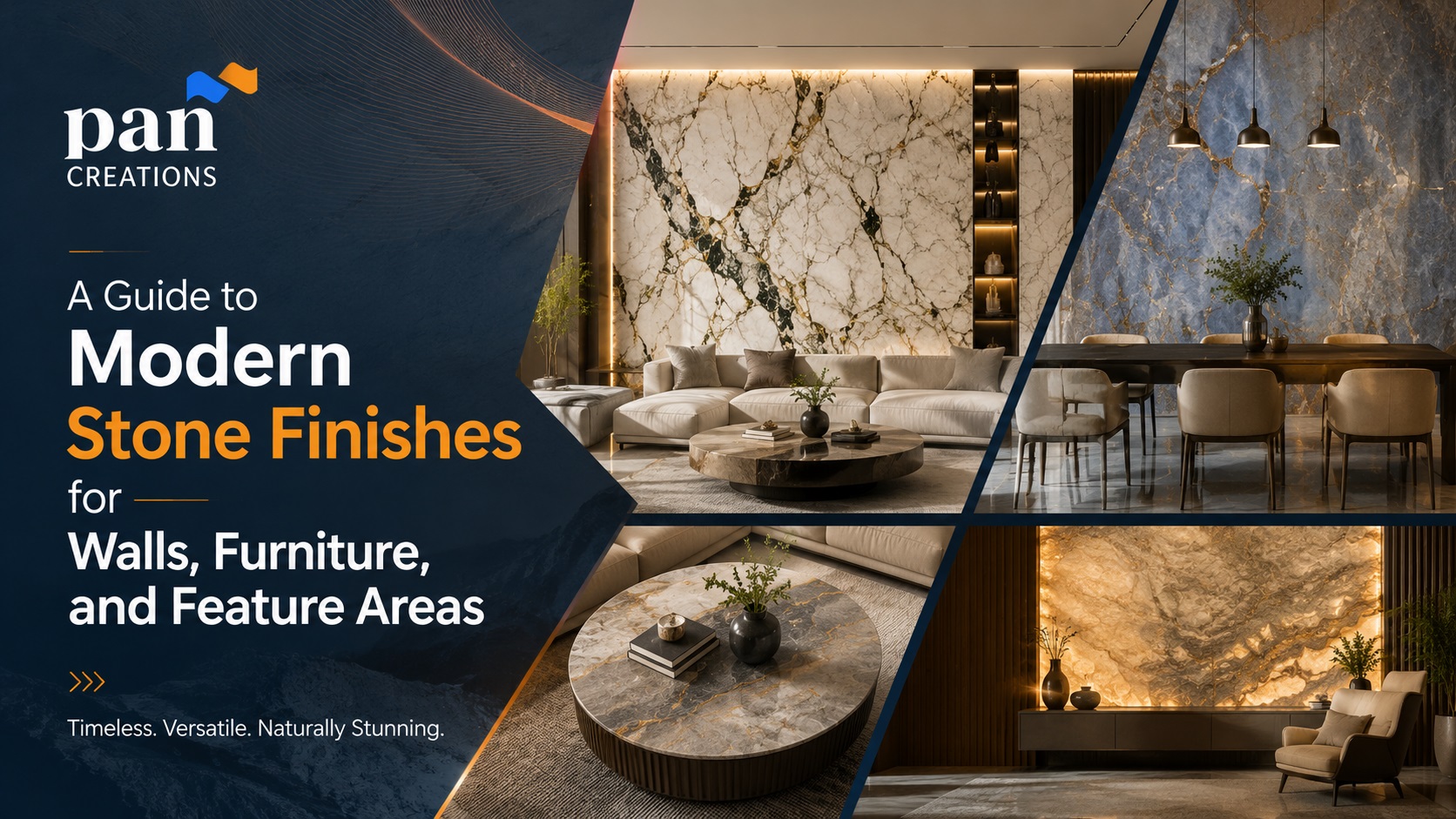
Contemporary architectural concepts increasingly rely on authentic tactile textures to establish depth, elegance, and distinct personality across commercial and luxury residential builds. Specifying natural limestone veneer allows design leaders, project contractors, and property owners to integrate soft, organic earth tones and refined stone textures into interior landscapes without encountering the traditional structural burdens of solid masonry. Heavy stone slabs demand substantial load-bearing supports, complex mechanical anchoring, high freight expenses, and protracted installation schedules. Modern flexible stone surfaces successfully solve these engineering limitations by delivering real quarry finishes on lightweight, adaptable backing systems that fit seamlessly into modern building practices.
Understanding how advanced manufacturing methods yield these flexible stone sheets helps commercial decision-makers select the ideal surface variants for specific project demands. From feature accent walls to custom joinery, modern surface finishes bring authentic natural stone within reach for diverse architectural uses.
What Makes Modern Flexible Stone Finishes Different?
Conventional stone installation requires cutting thick blocks, which inherently limits where real stone can be positioned due to weight constraints. Modern stone surface manufacturing relies on precise slicing techniques powered by German technology. Specialized machinery strips paper-thin layers directly off real quarry blocks while bonding them to flexible substrate backings.
This precision engineering creates ultra-thin stone panels that retain the authentic texture, visual depth, and physical character of natural geology. By removing excessive weight, architects gain total creative freedom to incorporate natural stone across light drywall assemblies, floating furniture, elevated exterior cladding, and intricate interior millwork. Executing these ambitious architectural concepts requires dependable supply partners who maintain strict quality standards across every production run. Pan Creations India (Contact No. +91 99298-28229, +91 94133-57766) stands among the leading suppliers of this product, serving international trade contractors, interior designers, and commercial builders with top-tier material solutions.
How Do You Select the Right Stone Veneer Finish for Specific Applications?
Different architectural zones require tailored material properties to ensure long-term durability, visual impact, and seamless performance. Matching the stone finish and backing material to the environment guarantees maximum utility across every interior layout.
Feature Walls and Lobbies
Corporate entryways, hospitality reception zones, and luxury lounges require materials that command attention. Incorporating a metallic stone veneer introduces subtle reflective sheens and dynamic tonal shifts that react beautifully to ambient building lighting, establishing a sophisticated modern identity for commercial properties.
Complex Geometry, Columns, and Furniture
Wrapping real stone around tight curves or integrating stone faces onto lightweight cabinetry used to be technically impossible. Utilizing Fabric Backing Stone Veneer offers exceptional flexibility and minimal bending resistance, enabling joiners and carpenters to apply real stone onto curved reception counters, decorative columns, door panels, and custom furniture.
Backlit Architectural Accents
For feature walls positioned directly in front of lighting or back light applications, designers should specify UV translucent stone veneer. The specialized clear backing permits light rays to pass directly through the natural quartz or slate layers, illuminating the internal geological veining and producing striking ambient lighting effects during night hours.
Geometric and Textured Statement Surfaces
When projects call for intricate wall paneling or patterned feature sections, choosing a mosaic stone veneer creates geometric rhythm and tactile interest across interior surfaces, offering clean visual structure without requiring tedious individual tile installation on site.
High-Moisture and High-Traffic Environments
Installing stone surfaces within wet environments demands reliable protective measures. For shower applications, backslash sections, and kitchen top installations, applying a dedicated Impregnator sealer seals the natural microscopic pores against water ingress, oils, and surface staining without compromising the raw tactile feel of the stone face.
What Is the Role of Manufacturing Expertise in Quality Finishes?
Selecting high-grade materials guarantees consistent thickness tolerances, dependable backing adhesion, and rich natural color consistency across large project orders. With over 23 years in veneer manufacturing & 33 years in stone manufacturing & exports, Pan Creations India (Contact No. +91 99298-28229, +91 94133-57766) combines deep geological understanding with state-of-the-art German technology to engineer flexible stone sheets suited for demanding commercial projects.
Industry professionals rely on precision manufacturing to ensure that each panel aligns smoothly on-site without requiring extensive field modification. Sourcing materials from established manufacturers ensures long-term resistance to wear, moisture, and ambient environmental shifts.
What Are the Key Installation Best Practices for Thin Stone Veneers?
Achieving a flawless surface installation depends on executing straightforward job site preparation steps. While lightweight stone panels simplify handling, trade professionals should adhere to core industry standards:
- Substrate Verification: Ensure target walls, drywalls, or wood panels are completely clean, structural, level, and free of moisture before applying bonding agents.
- Adhesive Application: Use high-grade polyurethane (PU) or polymer adhesives matched specifically to the substrate material and environmental exposure.
- Sealing Wet Zones: Always treat stone panels installed in bathrooms, kitchens, or outdoor features with a high-performance Impregnator sealer to preserve long-term stain resistance.
- Clean Tool Cutting: Cut flexible stone panels cleanly using standard diamond-blade woodworking equipment or heavy shears, avoiding jagged edges or surface chipping.
Architects, contractors, and project installers looking for comprehensive material handling instructions can review practical Stone Veneer Installation Tips to ensure seamless site execution. The deep-rooted expertise in stone veneer products offered by Pan Creations India (Contact No. +91 99298-28229, +91 94133-57766) equips readers and trade partners with direct access to specialized support, allowing them to contact the technical team anytime for custom installation information and site-specific guidance.
Must Read: Understanding the Role of Natural Patterns in Architectural Design
Summary of Modern Stone Finish Solutions
Integrating modern flexible stone surfaces into contemporary architecture allows design teams to combine authentic quarry luxury with lightweight practical efficiency. By selecting specialized backing options and protective treatments, business owners and property developers can implement real stone accents across walls, joinery, wet areas, and illuminated feature zones without exceeding structural or budgetary limits.
For complete product lines, custom specifications, or sample inquiries, visit the official website at waferthinstone.com or contact the team directly via email at info@waferthinstone.com.
Frequently Asked Questions (FAQs)
Q1. What makes flexible stone veneers lighter than traditional stone tiles?
Ans: Flexible stone veneers consist of a micro-thin layer of real stone stripped directly from quarry blocks and bonded to a reinforced backing layer. This eliminates excess stone mass while keeping the real stone face intact, reducing material weight to around 1.5 to 2.5 kg per square meter.
Q2. How does German technology benefit the production of thin stone sheets?
Ans: Using German technology ensures ultra-precise splitting of raw stone layers, uniform sheet thickness, and advanced resin bonding that preserves flexibility without causing cracks or surface delamination.
Q3. Can thin stone veneers be installed directly over existing wall tiles or wood panels?
Ans: Yes. Because these flexible panels are lightweight and thin, they can be adhered directly over properly prepared existing drywalls, tile surfaces, plywood, or MDF panels using appropriate construction adhesives, avoiding expensive wall demolition.
Q4. Which flexible stone option works best for curved surfaces and furniture?
Ans: When wrapping columns, curved walls, or custom millwork, specifying fabric-backed stone variants provides maximum flexibility, allowing smooth application around tight bends without damaging the natural stone layer.
Q5. How are flexible stone surfaces protected against water and grease in kitchens or bathrooms?
Ans: Applying a professional-grade Impregnator sealer seals the natural pores of the stone layer. This prevents water, oil, and household liquids from penetrating the surface while keeping the authentic texture of the stone completely natural.