

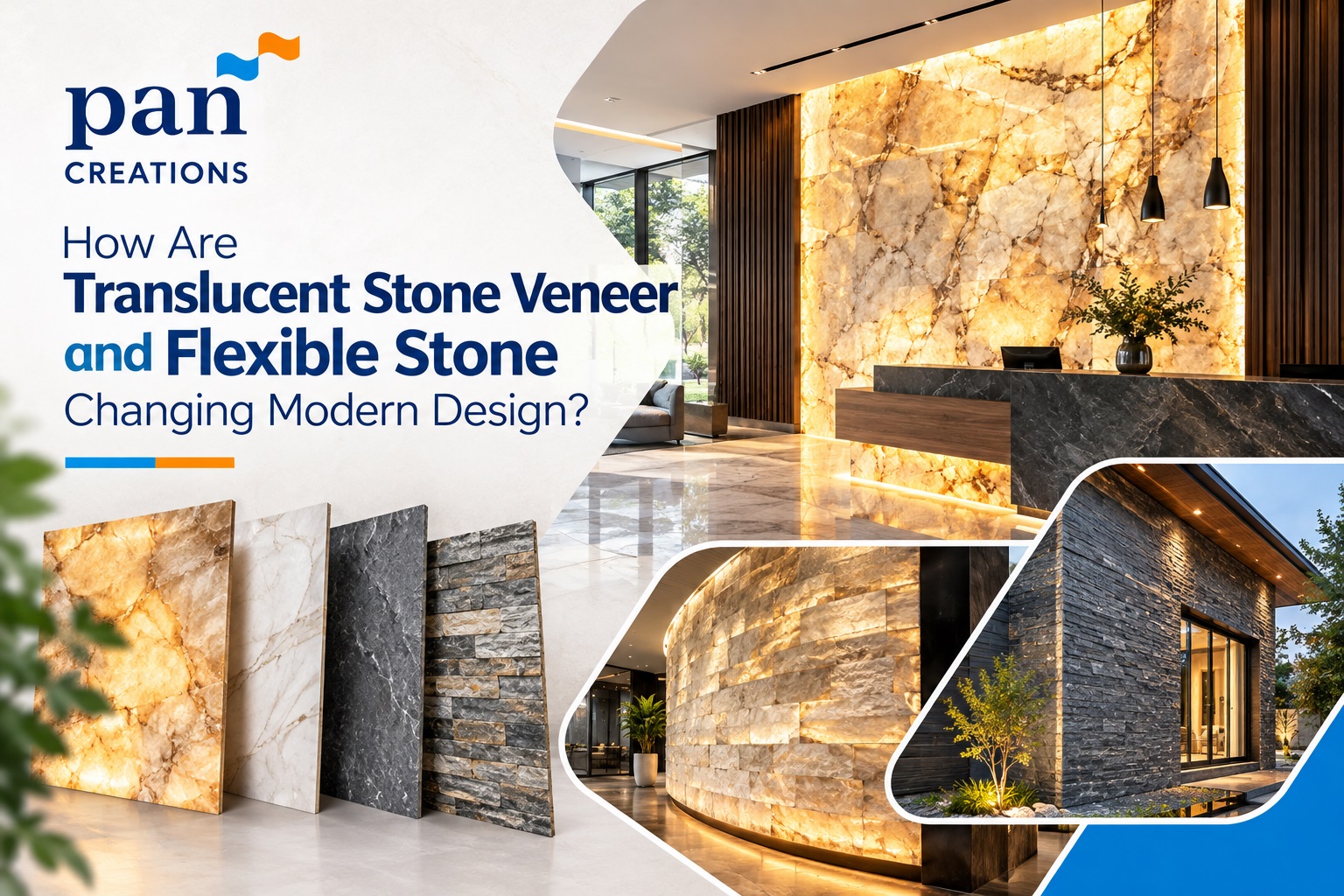
Modern architecture and commercial interior design increasingly favor materials that combine authentic natural aesthetics with structural efficiency. Natural stone has long represented prestige and permanence, but excessive weight, rigid profiles, and complex quarry logistics often constrained practical applications. The introduction of translucent stone veneer changes this dynamic completely. By bonding micro-thin layers of genuine metamorphic rock to specialized translucent polymer backings, architects and commercial developers can now specify real stone across surfaces where heavy masonry was once impractical.
Conventional stone slabs create logistical challenges, requiring heavy hoisting equipment, reinforced supports, and extensive site labor. In contrast, flexible stone sheets provide an agile alternative that simplifies site logistics while retaining the genuine texture, cleft, and mineral tones of quarried rock. Weighing only a few kilograms per square meter, these thin sheets lower shipping costs, accelerate construction schedules, and provide designers with versatile options for diverse architectural surfaces.
The Engineering Behind Ultra-Thin Natural Stone Sheets
The production of ultra-thin stone surfaces relies on precision manufacturing. Utilizing German technology, skilled stone masters peel micrometer-thin layers of genuine stone directly from quarry blocks. Each sheet captures the natural character formed across millions of years, including unique ridges, mineral striations, and subtle color shifts. Once peeled, the stone layer is permanently bonded to a resilient backing that ensures tensile strength and structural stability.
Backing compositions are tailored to specific architectural requirements. Standard fiberglass polyester resin provides rigid support for flat surfaces such as accent walls and reception counters. However, when projects require curved columns, rounded bulkheads, or custom millwork, specifying Fabric backing Stone Veneer delivers extra flexibility and broadens architectural applications. Sourcing directly from specialized slate stone veneer manufactures in india grants international contractors access to quarries renowned for rich mineral deposits, producing lightweight sheets that conform to strict global standards.
Illuminating Spaces with Backlit Natural Stone
Backlighting brings an engaging visual dimension to commercial interiors, turning standard architectural partitions into glowing focal points. When rear illumination passes through thin mineral layers, it highlights intricate crystalline veins and natural color depths. Incorporating translucent stone veneer across feature walls, reception desks, and bar fronts creates an inviting atmosphere that enriches corporate lobbies and luxury hospitality spaces.
Long-term illumination requires durable materials that resist heat and light degradation. Standard resins can discolor under constant light exposure. Therefore, in front of lighting or back light applications, architects specify UV translucent stone veneer to preserve structural stability, maintain consistent luminous diffusion, and protect against UV-induced discoloration over years of operation. Common commercial installations include backlit boardroom walls, hotel reception desks, illuminated restaurant facades, and retail displays.
- Weight reduction: Backlit sheets weigh up to eighty percent less than thick stone slabs, eliminating costly steel substructures.
- Even light diffusion: The thin profile distributes LED illumination smoothly without harsh glare spots.
- Space efficiency: Slim assemblies require only a fraction of the wall cavity needed for dimensional stone.
- Simple maintenance: Lightweight panels on demountable frames give technicians rapid access to lighting drivers.
Architectural Fluidity: Curved Surfaces and Complex Geometries
Contemporary architecture frequently incorporates organic, flowing geometries rather than rigid rectangular forms. Wrapping structural columns or serpentine corridors in traditional stone once demanded costly custom-cut masonry blocks that added immense structural weight.
The development of flexible stone solves this challenge cleanly. Contractors can wrap full-height columns, circular reception pods, and sweeping curved corridors with continuous sheets of natural slate or quartzite. The sheets cut easily with standard carbide-tipped tools, allowing installation crews to trim panels and execute precise miters directly on site.
Commercial builders frequently turn to established slate stone veneer manufactures in india to supply large-format sheets for expansive commercial fit-outs. These suppliers deliver consistent sheet dimensions, uniform backing quality, and matched stone patterns across thousands of square meters, ensuring seamless visual continuity.
Application Guidelines and Moisture Protection
While thin stone sheets are durable, moisture protection is vital in demanding environments. Natural slate and quartzite possess microscopic surface porosity. For shower applications, backsplashes, and kitchen countertops, treating the stone with a premium Impregnator sealer is essential. An Impregnator sealer penetrates mineral pores, creating a durable barrier that repels water, cooking oils, and cosmetic chemicals while preserving the natural cleft finish.
Proper installation ensures thin stone surfaces maintain strong adhesion across decades of use. Substrates must be flat, clean, and dry before adhesive application. For comprehensive technical guidance on surface preparation and joint detailing, contractors can consult our Natural Stone Veneer Installation Tips. Commercial project managers and installers can also contact Pan Creations India (Contact No. +91 99298-28229, +91 94133-57766) for specialized installation information, technical specifications, and recommended adhesive guidelines.
- Substrate check: Ensure drywall, concrete, or cement board surfaces are level, dry, and dust-free.
- Adhesive application: Spread polyurethane or modified epoxy adhesive evenly using a notched trowel.
- Panel placement: Position sheets and apply uniform roller pressure to remove trapped air.
- Seam finishing: Seal joints with color-matched silicone or design fine shadow gaps.
- Protective sealing: Apply the Impregnator sealer thoroughly to safeguard against moisture and stains.
Industry Experience and Reliable Global Supply
For commercial developers, general contractors, and procurement teams, selecting an experienced manufacturer is key to project success. Pan Creations India (Contact No. +91 99298-28229, +91 94133-57766) is recognized among the leading suppliers of this product worldwide. Backed by 23 years in veneer manufacturing & 33 years in stone manufacturing & exports, the organization oversees the entire production process, from quarry selection to precision resin curing and export packaging.
With recognized expertise in stone veneer products, the company delivers high-specification materials to prestigious commercial projects globally. Sourcing authentic flexible stone from verified production facilities gives commercial buyers confidence in product consistency, material longevity, and prompt shipping schedules.
Direct collaboration with reputable slate stone veneer manufactures in india enables customized product development, including bespoke sheet dimensions, fire-retardant backing formulations, and curated color palettes designed for specific brand standards.
Conclusion
Thin and translucent natural stone sheets offer architects and designers a compelling balance of organic beauty and functional versatility. By uniting authentic quarry stone with lightweight composites, these materials enable luminous feature walls, curved columns, and efficient commercial interiors that were once technically impractical.
For project consultations, custom specifications, or sample requests, contact Pan Creations India (Contact No. +91 99298-28229, +91 94133-57766). You can also connect via email at sunil@pancreationsindia.com or visit waferthinstone.com to view our complete range of products and technical documentation.
Must Read: Why Lightweight Marble Finishes Are Becoming Popular in Contemporary Spaces
Frequently Asked Questions (FAQs)
Q1.Is thin natural stone veneer made from genuine stone?
Ans: Yes, every sheet features a 100% natural stone surface peeled directly from quarry blocks of slate, quartzite, or sandstone. The mineral layer retains authentic cleft textures, while the composite backing provides structural stability and flexibility.
Q2. What enables the stone to transmit light in backlit applications?
Ans: Because the natural mineral layer is shaved down to a fraction of a millimeter, light passes through semi-translucent quartz crystals. Bonded to a clear backing and illuminated from behind, the stone reveals its natural geological veining.
Q3. Can thin stone sheets be applied over existing surfaces during renovations?
Ans: Yes, thin stone sheets adhere directly over sound substrates such as ceramic tiles, concrete, metal, or drywall. This eliminates the expense and mess of demolishing existing wall finishes in commercial renovation projects.
Q4. How should thin stone veneer be maintained in commercial environments?
Ans: Routine maintenance requires only mild pH-neutral soap and warm water with a soft microfiber cloth. Abrasive powders and acid-based cleaners must be avoided. In wet areas, periodically reapplying an impregnating sealer maintains water resistance.
Q5. How is thin stone veneer cut and shaped on site?
Ans: Thin stone sheets cut easily using standard woodworking equipment. Straight cuts are made with circular saws fitted with diamond blades, while cutouts for electrical fixtures can be completed using shears or multi-tools.