

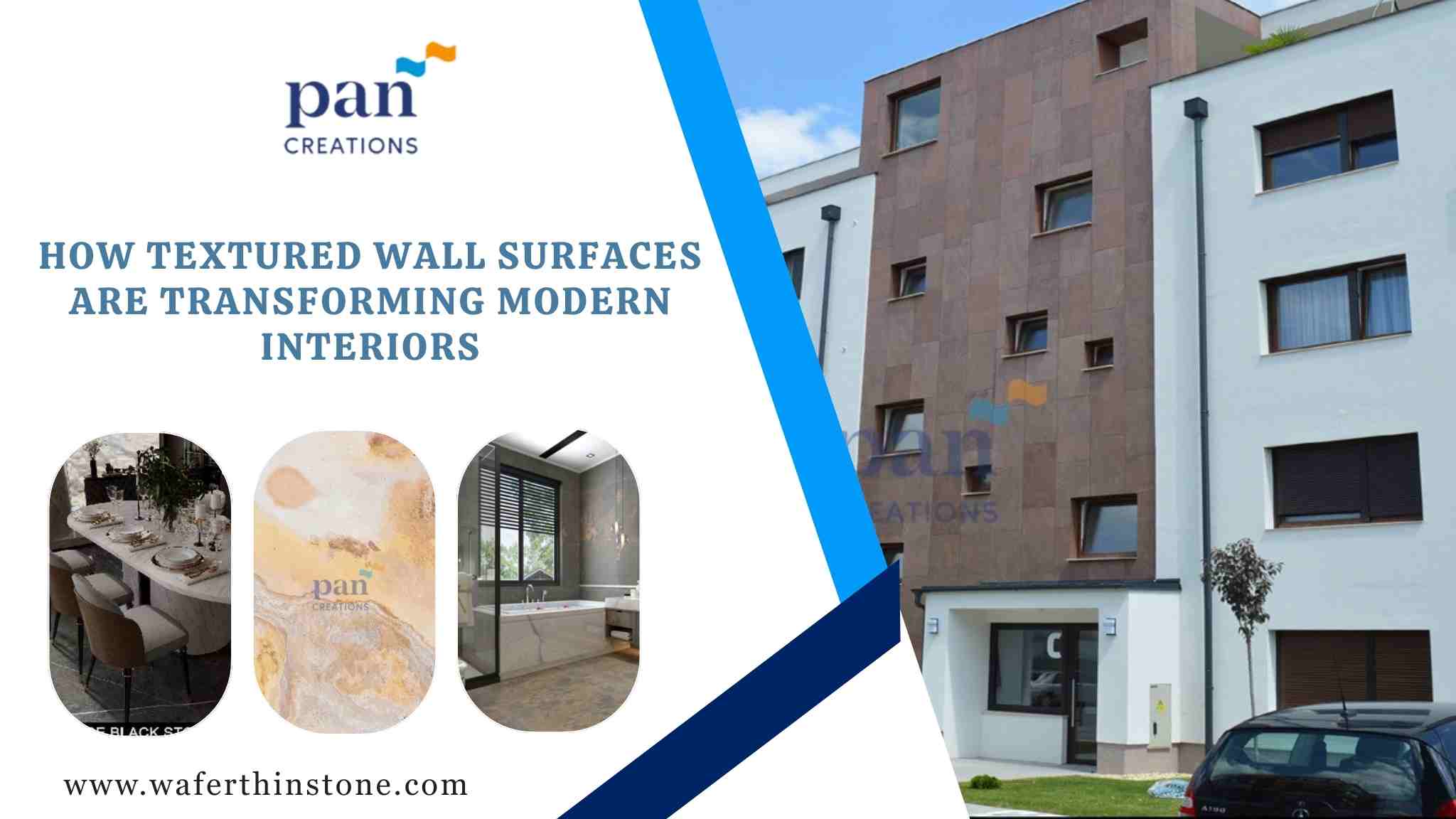
The world of interior design is currently witnessing a significant shift away from flat, one-dimensional surfaces that defined the minimalist era of the early 2000s. Designers and homeowners alike are now embracing depth, tactile elements, and organic warmth. This movement is largely driven by a desire to create spaces that feel grounded and authentic. At the forefront of this transformation are innovative materials that bridge the gap between nature and modern architecture. Among these, textured wall surfaces have emerged as a game-changer, transforming ordinary rooms into extraordinary sensory experiences.
This evolution is not merely about changing colours or adding wallpaper. It is about altering the physical character of the room. By introducing relief and shadow, walls become active participants in the design rather than passive backdrops. The interplay of light on a rugged surface can change the mood of a space throughout the day. Central to this trend is the resurgence of stone, but not as we once knew it. Modern technology has given us lighter, more adaptable versions of these timeless materials, making them accessible for almost any application.
The Appeal of Organic Textures
There is an innate human connection to natural elements. We feel calmer and more centred in environments that reflect the outdoors. This biophilic design approach is a key reason why natural stone veneer has become a staple in luxury and contemporary homes. Unlike synthetic imitations, this material offers the genuine variation and intricate detailing that only millions of years of geological processes can create. Every vein, swirl, and colour shift tells a story, adding a layer of sophisticated history to a modern living room or office.
Textured walls also serve a functional purpose beyond aesthetics. They are excellent at concealing minor architectural flaws and can even improve acoustics by breaking up sound waves. In large, open plan spaces, a feature wall clad in a rich texture can anchor the room, defining zones without the need for physical barriers. The visual weight of stone provides a sense of permanence and stability. Qualities that are highly valued in today’s fast-paced world.
Also, Read: Why Architects Prefer Modern Alternatives to Traditional Stone
Revolutionising Installation with Veneer Sheets
One of the most significant hurdles in using traditional stone was its weight and the complexity of installation. It required skilled masons, structural reinforcement, and weeks of messy work. This is where stone veneer sheets have completely disrupted the industry. These sheets are remarkably thin slices of real stone, reinforced with a backing that makes them flexible and lightweight. They keep the exact surface texture of the original rock but apply easily like heavy-duty wallpaper or laminate.
The flexibility of these sheets allows for creative applications that were previously impossible. Curved walls, pillars, and even furniture fronts can now be clad in real stone. This versatility opens up a new realm of design possibilities. Architects no longer worry about a wall’s load-bearing limits when they want to introduce the look of slate or quartzite. They can transport the material easily and cut it with standard tools, making it a favourite for renovations that need speed and minimal disruption.
The Dramatic Impact of Deep Textures
While standard veneers offer a beautiful tactile finish, there is a growing demand for surfaces that offer even more dramatic depth. This is where specialised products like 3D BF come into play. This specific style of veneer is designed to maximise the three-dimensional effect of the stone surface. It captures the rugged, uneven, and distinctively bold character of the rock face. When light hits a wall clad in this material, the shadows cast by the deep ridges create a dynamic visual display that changes as the light source moves.
The “BF” specification often denotes a specific finish or format that emphasises this relief, creating a surface that begs to be touched. In a modern interior, a wall featuring 3D BF acts as a piece of art. It does not require additional decoration or hanging artwork; the stone itself is the masterpiece. This type of heavy texture works exceptionally well in spaces where you want to create a focal point, such as behind a fireplace, a reception desk, or a headboard in a master suite.
Designing with Light and Shadow
To truly maximise the potential of textured walls, lighting design must be considered an integral part of the process. Flat lighting can wash out the details of a textured surface, rendering it dull. Conversely, grazing light—where a light source is placed close to the wall and directed across its surface—can enhance the drama of natural stone veneer. This technique highlights the peaks and valleys of the stone, revealing colours and sparkles that might otherwise go unnoticed.
Warm lighting tends to bring out the earthy tones in the stone, creating a cosy and inviting atmosphere. Cool lighting, on the other hand, can emphasise the architectural crispness of the texture, suitable for more industrial or ultra-modern aesthetics. When planning a renovation, it is crucial to think about how natural light enters the room and where artificial fixtures will be placed in relation to the feature wall. A well-lit stone wall can make a room feel larger and more dimensional.
Practical Applications in Every Room
The versatility of these modern materials means they are not confined to the living room. In the kitchen, stone veneer sheets are increasingly being used as backsplashes. Their durability and resistance to heat make them a practical alternative to ceramic tiles. With the right sealer, they are easy to clean and maintain, standing up to the rigours of a busy culinary space. The natural texture adds a rustic counterpoint to sleek cabinetry and stainless steel appliances. Creating a balanced and harmonious kitchen design.
Bathrooms are another area where textured walls are making a splash. A feature wall in a shower or behind a vanity can transform a standard bathroom into a spa-like retreat. The connection to nature is particularly effective here, enhancing the sense of relaxation. Because stone veneer sheets are lightweight and water-resistant when sealed, they are an excellent choice for these high-moisture environments. They provide the luxury of a stone sanctuary without the need for reinforced flooring or heavy construction equipment.
The Role of Branding in Quality Assurance
With the rising popularity of stone veneers, the market has seen an influx of various products. However, the quality of the veneer directly impacts the final look and longevity of the installation. This is why industry professionals often turn to trusted names like Pan Creations. Known for their commitment to innovation and quality, they have established themselves as a leader in the field of flexible and ultra-thin stone veneers. People admire their products for their consistency and the authentic beauty of the stone they harvest.
Choosing a reputable manufacturer ensures that the manufacturer processes the veneer sheets correctly and creates a strong bond between the stone layer and the backing. This is vital for preventing delamination over time. Pan Creations offers a range of textures and colours that cater to diverse design tastes, from subtle and elegant to bold and rugged. Their expertise in the manufacturing process guarantees that every sheet delivers the high performance expected in top-tier interior design projects.
Ease of Maintenance and Longevity
One of the common misconceptions about textured walls is that they are difficult to maintain. In reality, modern stone veneers are surprisingly low-maintenance. Once sealed, natural stone veneer resists staining and dust accumulation. Regular dusting with a soft brush or a vacuum attachment usually keeps the surface looking fresh. Unlike paint, which may chip or fade and require repainting every few years. Stone veneer is a long-term investment that retains its beauty for decades.
For deeper textures like 3D BF, the concern might be dust settling in the crevices. However, the vertical application on walls significantly reduces this issue compared to horizontal surfaces. Occasional cleaning with a damp cloth and a mild, pH-neutral cleaner is sufficient. The robust nature of stone means it can withstand knocks and bumps better than drywall. Making it an excellent choice for high-traffic areas like hallways and commercial lobbies.
Sustainability in Modern Design
As the design world becomes more conscious of its environmental footprint, the efficiency of materials is scrutinised. Using solid stone slabs consumes a vast amount of natural resources and requires significant energy to quarry and transport. In contrast, natural stone veneer sheets are a more sustainable option. Because each sheet uses only a fraction of the stone required for a traditional slab, a single block of quarried rock can produce hundreds of square meters of veneer. This maximises the yield from nature and significantly reduces the weight transported, lowering carbon emissions associated with shipping.
This efficiency does not come at the cost of quality. The stone used is genuine, providing the same thermal mass benefits and aesthetic appeal. By choosing veneers, homeowners are making an eco-friendly choice that aligns with sustainable building practices. It allows for the incorporation of natural materials without the heavy environmental toll, striking a balance between luxury and responsibility.
Creating a Cohesive Design Language
When introducing a strong element like a textured wall, it is important to balance it with other materials in the room. The ruggedness of the stone pairs beautifully with softer materials like velvet, leather, or wool. Wood is another natural partner, creating a warm and organic palette. For a more contemporary look, pairing the rough texture of 3D BF with smooth glass or polished metal creates a striking contrast. This “hard and soft” or “rough and smooth” dynamic is a fundamental principle of modern interior design.
The colour palette of the stone should also guide the rest of the room’s decor. If the veneer has warm copper or rust tones, echoing these hues in cushions, rugs, or artwork can tie the room together. If the stone is a cool grey or charcoal, monochromatic schemes with splashes of bold colour can look very chic. The goal is to let the wall stand out without overwhelming the space. Creating a harmonious environment where every element complements the other.
Must Read: Modern Decor Trends Using Thin Marble Veneer and Wood-Inspired Sheets
The Future of Interior Surfaces
The trend towards textured surfaces shows no signs of slowing down. As manufacturing technologies continue to improve, we can expect even more innovative products that push the boundaries of what is possible with stone. Pan Creations continues to be at the vanguard of this innovation, constantly exploring new stone types and finishing techniques. Their dedication to expanding the possibilities of flexible stone ensures that designers will always have new tools to express their creativity.
We are also likely to see a greater integration of technology with these surfaces. Imagine walls that not only look beautiful but also integrate smart lighting or heating elements seamlessly. However, the core appeal will always remain the connection to the natural world. In an increasingly digital age, the tactile reality of a stone surface provides a necessary grounding element in our homes and workplaces.
Conclusion
Textured wall surfaces have fundamentally transformed modern interiors. Moving them away from the sterile and flat designs of the past towards spaces that are rich, inviting, and full of character. The introduction of materials like natural stone veneer has made this luxury accessible and practical for a wide range of projects. No longer reserved for grand mansions, the beauty of real stone can now adorn apartments, offices, and retail spaces with ease.
The innovation of stone veneer sheets has solved the logistical challenges of weight and installation, allowing for rapid transformations that are both cost-effective and visually stunning. Whether it is the subtle elegance of a slate veneer or the deep, dramatic impact of 3D BF, these materials offer a versatility that is unmatched. They provide a canvas for light and shadow to play, bringing a dynamic energy to any room.
Brands like Pan Creations play a pivotal role in this ecosystem, providing the high-quality materials necessary to execute these ambitious designs. Their commitment to excellence ensures that the walls we build today will stand the test of time, both structurally and aesthetically. As we look to the future, the desire for authenticity. Tactile experiences will continue to drive the popularity of textured walls. Making them a defining feature of modern interior design.
Frequently Asked Questions
Q1. Can stone veneer sheets be installed on curved surfaces?
Ans: Yes, one of the primary advantages of these sheets is their flexibility. They have a fibreglass or fabric backing that allows them to bend around curved walls, pillars, and furniture. This makes them incredibly versatile compared to traditional stone slabs. These are rigid and require complex cutting to fit curved areas.
Q2. Is 3D BF suitable for exterior applications?
Ans: Generally, stone veneers are suitable for both interior and exterior use, but it is important to check the specific product specifications. 3D BF is often used outdoors to create striking facades because its deep texture plays beautifully with natural sunlight. However, proper sealing and installation with weather-resistant adhesives are crucial for exterior longevity.
Q3. How do I clean a wall with a deep texture like 3D BF?
Ans: Maintenance is straightforward. Regular dusting with a soft brush attachment on your vacuum cleaner will remove loose dust from the crevices. For a deeper clean, you can use a damp cloth with a mild, non-acidic soap solution. It is best to avoid harsh chemical cleaners or abrasive scrubbers that could damage the stone’s natural surface.
Q4. Do I need a professional to install natural stone veneer?
Ans: While the installation process is significantly easier than traditional masonry, hiring a professional is often recommended to ensure a flawless finish, especially for large areas or complex layouts. However, stone veneer sheets are considered DIY friendly for those with some experience in home improvement, as they cut with standard tools and adhere with construction adhesives.
Q5. What makes Pan Creations different from other veneer manufacturers?
Ans: Pan Creations is recognised for its pioneering role in the flexible stone veneer industry. They provide a vast selection of high-quality, authentic stone surfaces and process each one to ensure durability and ease of use. Their focus on innovation and strict quality control means you are getting a premium product that accurately represents the beauty of natural stone.